


Becoming Death | Convertirse en Muerte
Feast of the Transfiguration of the Lord
Daniel 7:9-10, 13-14; 2 Peter 1:16-19; Luke 9:28b-36
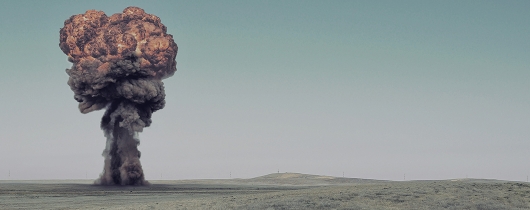
On July 16, 1945 J. Robert Oppenheimer and a number of scientists who developed the atomic bomb witnessed the weapon’s first live test in the New Mexico desert. As he beheld its brightness and terrible explosive power, he thought of a verse from the Bhagavad Gita, a piece of Hindu scripture: “Now I am become death, the destroyer of worlds.” Three weeks later, on August 6, 1945 the first atomic bomb was dropped on Hiroshima, Japan. Days after that, a second bomb was dropped on Nagasaki. Within a month, World War II was over.
In the eighty years that have passed since the dropping of the atomic bomb, the world has thankfully avoided the use of another nuclear weapon. The number of nations possessing such weapons has grown, and others seek them. World War II is history, but our world is still bedeviled by wars and all the ways they disfigure us spiritually and morally as well as physically, socially, politically and economically.
Today we are blessed to recall a theophany, an appearance of God, and a counterpoint to the solemnity of this 80th Anniversary of the bombing of Hiroshima. The Transfiguration of Jesus occurred shortly after he turned decisively toward Jerusalem and began the journey that would lead to his arrest, trial, torture and execution.
Following St. Peter’s confession that he (Jesus) was the Messiah, Jesus predicted that he would be rejected, killed and then raised on the third day (c.f., Luke 9:18-22). He followed that by laying down the conditions of discipleship: self-denial, daily acceptance of the cross, and following in his footsteps (c.f., Luke 9:23-27). It would be a hard road to accompany and follow him, and he knew that his disciples needed encouragement. The three who accompanied him up the mountain to pray found that encouragement in a way so startling they couldn’t tell anyone at the time what they had witnessed.
But they remembered, and they drew hope from that memory. Peter alludes to it in our second reading. Jesus so loved us so much that he thoroughly embraced everything in us but sin. He became death in order to bring us and our world new life. He and the gospel he proclaimed, not any weapon we can invent or conceive, will save us. - jc
--------------------------------------------------------------------------------------------------------------
Fiesta de la Transfiguración del Señor
Daniel 7:9-10, 13-14; 2 Pedro 1:16-19; Lucas 9:28b-36
El 16 de julio de 1945, J. Robert Oppenheimer y varios científicos que desarrollaron la bomba atómica presenciaron la primera prueba real del arma en el desierto de Nuevo México. Al contemplar su brillo y su terrible poder explosivo, pensó en un versículo del Bhagavad Gita, un texto sagrado hindú: «Ahora me he convertido en la muerte, el destructor de mundos». Tres semanas más tarde, el 6 de agosto de 1945, se lanzó la primera bomba atómica sobre Hiroshima, Japón. Días después, se lanzó una segunda bomba sobre Nagasaki. En menos de un mes, la Segunda Guerra Mundial había terminado.
En los ochenta años que han pasado desde el lanzamiento de la bomba atómica, afortunadamente el mundo ha evitado el uso de otra arma nuclear. El número de naciones que poseen este tipo de armas ha aumentado, y otras las buscan. La Segunda Guerra Mundial es historia, pero nuestro mundo sigue plagado de guerras y de todas las formas en que estas nos desfiguran espiritual y moralmente, así como física, social, política y económicamente.
Hoy tenemos la suerte de recordar una teofanía, una aparición de Dios, y un contrapunto a la solemnidad de este 80.º aniversario del bombardeo de Hiroshima. La Transfiguración de Jesús ocurrió poco después de que él se dirigiera decididamente hacia Jerusalén y comenzara el viaje que lo llevaría a su arresto, juicio, tortura y ejecución.
Tras la confesión de San Pedro de que él (Jesús) era el Mesías, Jesús predijo que sería rechazado, asesinado y resucitado al tercer día (cf. Lucas 9:18-22). A continuación, estableció las condiciones para ser discípulo: abnegación, aceptación diaria de la cruz y seguir sus pasos (cf. Lucas 9, 23-27). Sería un camino difícil acompañarlo y seguirlo, y él sabía que sus discípulos necesitaban ánimo. Los tres que lo acompañaron a la montaña para orar encontraron ese ánimo de una manera tan sorprendente que no pudieron contar a nadie en ese momento lo que habían presenciado.
Pero lo recordaron y sacaron esperanza de ese recuerdo. Pedro alude a ello en nuestra segunda lectura. Jesús nos amó tanto que abrazó completamente todo lo que hay en nosotros, excepto el pecado. Se convirtió en muerte para traernos a nosotros y a nuestro mundo una nueva vida. Él y el evangelio que proclamó, y no ninguna arma que podamos inventar o concebir, nos salvarán. - jc
Asistencia de traducción por DeepL.com®


Notes from a Journey - Capuchin Friar John Celichowski